Read aloud — generated voice
The Girl Who Would Not Bow
They called her too loud before they knew her name. By the time they knew her name, they had already decided what to do with her.
The Naming
Her mother wanted to call her Aviva, for life. The midwife said it was a big name for such a small, red thing, still crying from the shock of the world. They called her that anyway. It was the last quiet decision anyone made about her for years.
By six she was the girl who asked why twice for every answer given once. By ten she was the girl who climbed the walnut tree in her good dress and tore it, and didn't cry, which the aunties found more troubling than the tear. By fourteen she was simply that girl, said with a tilt of the head, no name required, as though a name were a kindness she hadn't earned.
The List
The village kept an unwritten list of what a girl should be, and Aviva broke it the way some people break plates — not on purpose, just by living in a house where things get used.
She laughed too loud at the well. She read books meant for her brother, then finished them before he started. She said no to Yakov the miller's son, twice, in front of his mother. She wore her hair loose on a Tuesday for no occasion at all.
Each of these was reported to her mother separately, as if news, as if anyone hadn't seen it happen with their own eyes not an hour before.
Her mother began keeping a different list. Not of what Aviva did wrong, but of who came to complain, and how often, and whether they'd ever once brought bread when the harvest failed. It was a shorter list. She never showed it to anyone.
The Wedding That Wasn't
At seventeen there was a match arranged without her, the way matches were, over tea she wasn't asked to pour. She was told the night before. She said no the next morning, standing in the doorway in the dress she'd torn as a child, mended so many times it was mostly patch now.
The groom's family called her ruined. The village agreed, out loud, at the well, where all agreements were made official.
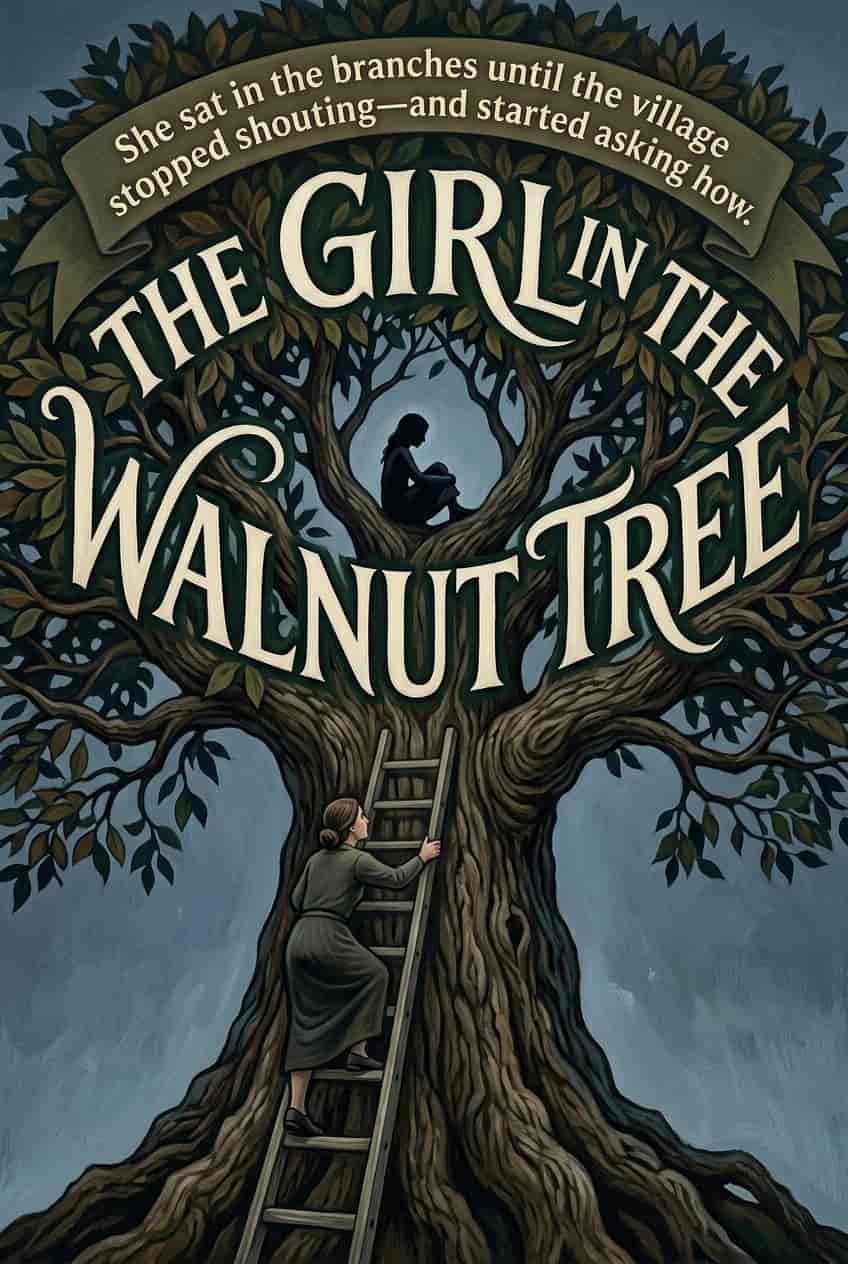
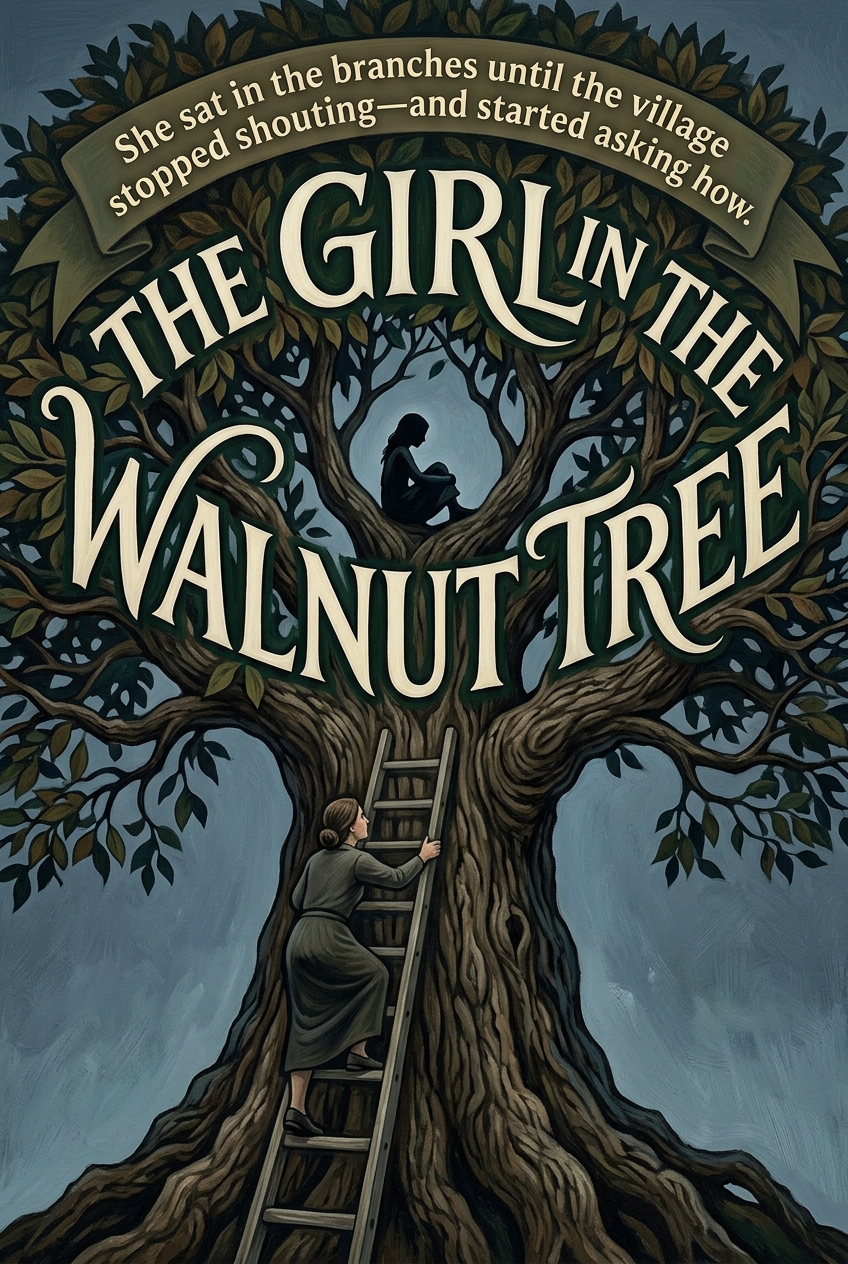
Aviva went back to her walnut tree. It had grown with her. She sat in it the way she had at ten, knees drawn up, and did not come down for the shouting, and did not come down for the pleading, and eventually did not come down at all — because by nightfall the whole village was gathered at the base of the tree, not to drag her out of it, but because Yakov's mother, of all people, had brought a ladder, and was climbing up to ask, quite plainly, how a girl learns to say no like that, and whether she might teach her daughters.*